
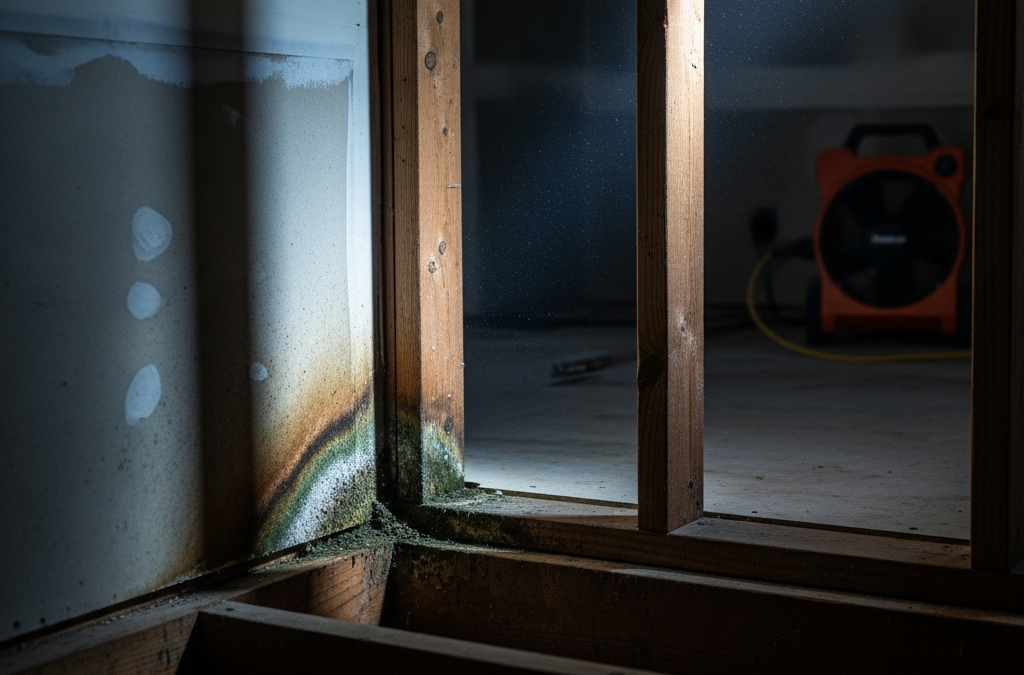
TL;DR: Mold growth after water restoration isn’t a sure thing, but it’s a risk you need to take seriously. Proper drying and preventive measures are key! We’ll cover what influences mold growth and how Aaron Builders keeps your home safe.
Hey folks, Aaron here from Aaron Builders. We’ve been dealing with water damage and mold for years, and one question we get asked all the time is, “How likely is mold to grow after water restoration?” It’s a valid concern! You’ve just gone through the headache of water damage, and the last thing you want is a mold problem popping up. So, let’s break it down.
First, it’s important to understand that mold spores are everywhere. They’re in the air we breathe. They’re on surfaces. They’re just waiting for the right conditions to thrive. What are those conditions? Moisture, a food source (like drywall or wood), and a suitable temperature.
So, how likely is mold to grow after water restoration? Well, it depends. If the water damage was handled quickly and correctly, with proper drying and dehumidification, the risk is significantly lower. But if corners were cut, or if the drying process wasn’t thorough enough, you’re creating the perfect environment for mold to take hold.
Think of it this way: even after water restoration, residual moisture can linger in walls, under flooring, or in other hidden spots. This moisture, combined with the organic materials in your home (wood, paper, drywall), becomes a buffet for mold. That’s why it’s so important to hire a water restoration company, like Aaron Builders, that focuses on complete and comprehensive drying.
Several factors play a role in determining the likelihood of mold growth after water restoration. These include:
* The Extent of the Water Damage: A small leak is different than a flooded basement. The more water, the more potential for hidden moisture.
* The Timeframe: The longer the water sits, the higher the risk. Mold can start growing within 24-48 hours in ideal conditions.
* The Materials Affected: Some materials, like drywall and carpet, are more susceptible to mold growth than others.
* The Drying Process: This is perhaps the most important factor. Did the water restoration company use professional-grade equipment to thoroughly dry the affected areas? Did they monitor moisture levels to ensure everything was truly dry?
So, what can you do to minimize the risk and ensure a low probability of mold flourishing? Here are a few tips:
* Act Fast: The quicker you address water damage, the better.
* Hire Professionals: Don’t try to DIY water restoration unless it’s a very small area. We have the equipment and expertise to completely dry your home and prevent mold growth.
* Ask Questions: Ask your water restoration company about their drying process. Do they use moisture meters? How do they ensure complete drying?
* Ventilate: After the water restoration process, ventilate the affected areas to help remove any remaining moisture.
* Consider Mold Prevention: We can apply mold-resistant coatings to surfaces after drying to further protect your home.
* Monitor: Keep an eye on the affected areas for any signs of mold growth, such as musty odors or visible mold.
At Aaron Builders, we understand the concerns surrounding mold growth after water restoration. That’s why we go above and beyond to ensure complete drying and prevent mold from taking hold. We use advanced drying techniques, moisture monitoring, and, if needed, mold prevention treatments. We’re committed to making sure that the answer to “How likely is mold to grow after water restoration?” is: not very, if we do our job right.
We believe in doing the job right the first time, giving you peace of mind knowing your home is dry and safe. Give us a call today for a free inspection!